

News
&
Updates
Politico NY Covers Sign-On Letter Decrying Gov. Hochul's Budget "Ageist"
Politico NY Covers Sign-On Letter Decrying Gov. Hochul's Budget "Ageist"
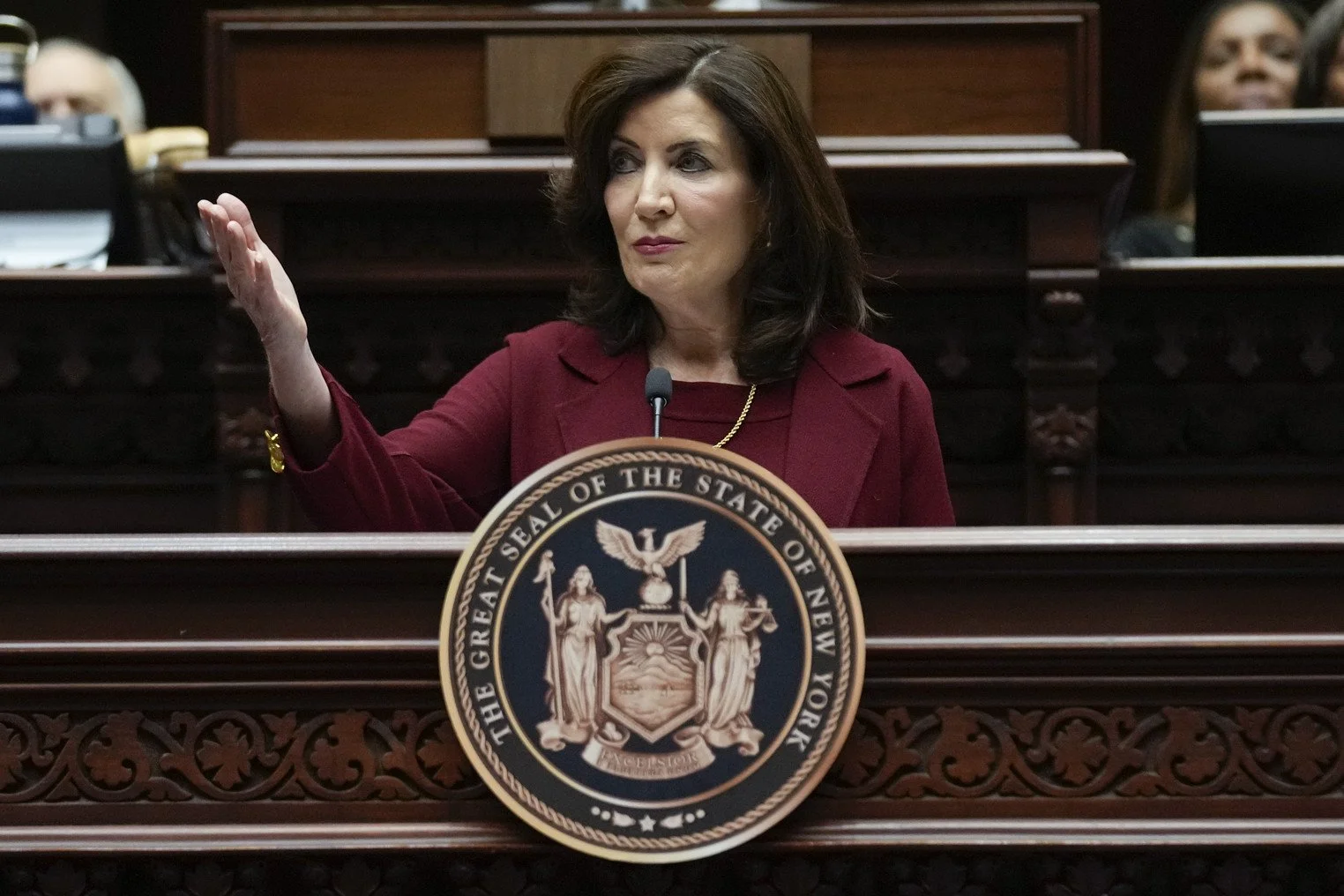
AN ‘AGEIST’ BUDGET: Over 140 advocacy organizations around the state are putting pressure on Hochul to allocate more money toward aging New Yorkers, calling her budget “an ageist document.”
The organizations, which include the Hospice and Palliative Care Association of New York State and Catholic Charities, sent a letter to Hochul this afternoon alleging her budget shows “a clear lack of consideration for the millions of older adults in New York.”
“The current budget allocation for the New York State Office for the Aging is less than 0.8 percent of the total budget, significantly below what is required to meet the growing needs in our communities,” says the letter, which was exclusively shared with Playbook.
Hochul’s team did not respond to Playbook’s requests for comment.
In her budget briefing book, the words “children,” “child care” and “child” are mentioned more than 90 times collectively, but the word “senior,” in reference to older adults, is mentioned just once, Allison Nickerson, executive director of LiveOn NY, told Playbook.
“Older adults” and “adult caregivers” also barely received a mention, Nickerson said.
The groups say Hochul’s proposed budget would cut $9.3 million from homecare services and $2.5 million from the office for the aging’s Long Term Care Ombudsman Program.
The cuts come at an especially fraught time for aging New Yorkers. During the Covid pandemic, many low-income elderly New Yorkers saw various support systems — like routine meals from family members or programming at community centers — completely disappear. But the gap was filled with federal pandemic aid.
Now those federal dollars have dried up, and the groups say Hochul’s budget would cut services at a time when more investment is needed.
Currently, at least 18,000 aging New Yorkers are waiting to receive crucial services like Meals on Wheels, transportation or case management services, and an immediate investment of $51 million is needed to make those support services accessible, the organizations wrote.
In New York, about 1 in 5 residents are above the age of 65. That population is expected to grow significantly over the next decade.
“The state really cannot move forward unless it is addressing the issues of older adults,” Nickerson said. — Jason Beeferman
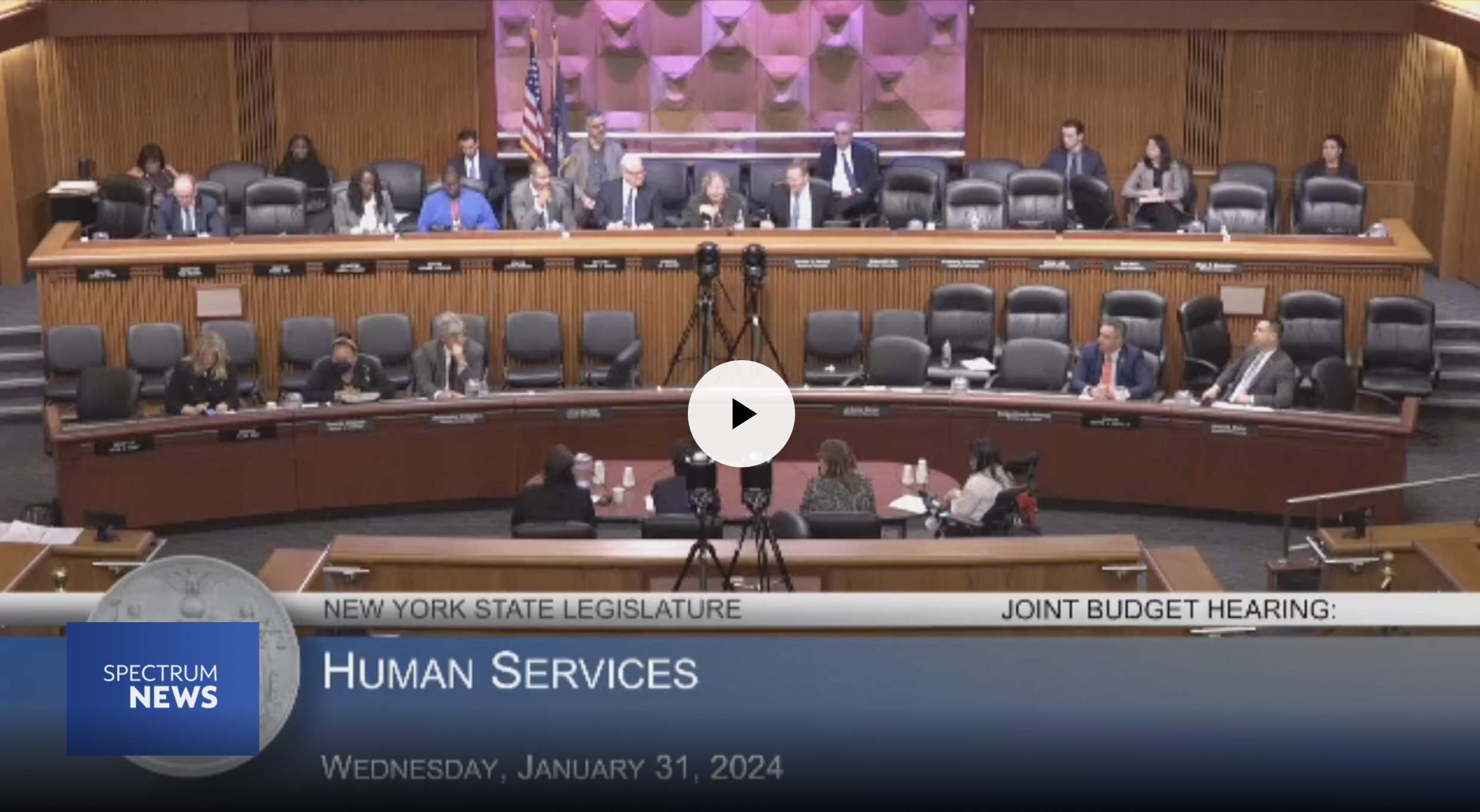


Testimony for the FY25 NYS Human Services Budget Hearing
New York State Assembly
New York State Senate
Joint Legislative Hearing
Human Services FY25 Budget
Thank you for the opportunity to submit testimony on aging services in the proposed FY 25 budget.
LiveOn NY’s members include more than 100 community-based nonprofits that provide core services which allow all New Yorkers to thrive in our communities as we age, including senior centers, home‐delivered meals, affordable senior housing, elder abuse prevention, caregiver support, NORCs, and case management. With our members, we work to make New York a better place to age.
As it stands, the FY25 Proposed Budget is an ageist document - as it does not meet the existing needs of older New Yorkers or the needs of the growing population of older adults. The services provided to non-medicaid eligible New Yorkers are not guaranteed due to a consistent pattern of underfunding continued this year. For New Yorkers not currently medicaid eligible, we see that in order to qualify for and receive needed services they must sacrifice what they have earned throughout their life course to self-institutionalize. There is a better way that can both improve quality of life for older New Yorkers and save Medicaid dollars.
We have a number of concerns that illustrate a clear lack of consideration for the millions of older adults in New York, and that fail to recognize the reality that we are aging as a state.
Key Concerns
Older New Yorkers were not mentioned in the budget outside of “cost-saving” measures for health services.
18,000 services denied to New Yorkers due to lack of adequate funding
Program cuts and unfunded mandates will cost providers millions of dollars
$9.3 million cut from home care services
$2.5 million in cut LTCOP funding that was a legislative addition last year
$0 for the mandated rate increase to local Area Agencies on Aging (AAAs), leaving a $10 million shortfall that will necessitate local cuts to services.
The newly approved Medicaid Waiver (1115) will not address older New Yorkers
The State has significant fiscal reserves and provided over $6 billion in additions to many service sectors. However, the current budget allocation for the New York State Office for the Aging is less than 0.8% of the total budget, significantly below what is required to meet the growing needs in our communities. We have the funding to create a robust service system in our state that also saves millions of dollars from our already out of control medicaid budget.
Here is what an age-inclusive budget needs to include.
Recommendations
$252.5 million to NYSOFA fully fund services promised in the existing system and end wait lists for the over 18,000 services denied to New Yorkers due to lack of adequate funding. Here is a list of many of the services that this funding would improve:
$51 million to clear the existing waiting list for services
Overall Funding Increase (minus nutrition) includes but is not limited to $35 million.
Invest in sustainable nutrition support - $43 million
Invest in Aging Services network workforce - $20 million
Expanding eligibility to younger onset Alzheimer’s and to age 50 for caregiver and respite support – $26 million
Provide annual appropriation for technology access - $5 million
Provide annual appropriation for Lifespan Respite Care Programs - $1 million
Provide annual appropriation for elder abuse education and outreach - $3 million
Provide increase funding for state SHIP Programs - $5.5 million
Provide increase in funding for state legal assistance programs - $3 million
Provide increase in funding for the long-term care ombudsman program - $10 million
Provide an annual appropriation for Aging and Disability Resource Centers - $20 million
Provide reskilling and training for older individuals who wish to return to employment - $2 million
Recognition of the value and importance of these programs - these programs both improve quality of life AND save medicaid dollars:
NYSOFA programs serve individuals that would qualify for skilled nursing or assisted living care, in homes and communities for less than $10,000 per year on average for 6.5 years.
$51 million dollars to clear existing wait lists would translate to a $237 million dollar medicaid savings according to the Association on Aging in New York
Consideration to ensure that the state is providing adequate funding to meet the needs of the growing older population in future years.
Funding must be tied to the number of older adults who would need services and grow with our state
The state must take on a larger role in funding these programs. In NYC alone, the city provides almost double the funding the state does.
On behalf of the almost 5 million older adults and 4 million caregivers – nearly half of the population – who call New York State home, we write with ongoing and urgent concern for the blatant lack of funding for safety net aging service programs, funded through the NYS Office for Aging (NYSOFA). You have the opportunity to make a difference in the lives of older adults across our state and fight for an age-inclusive budget!
_____________________________________________________________________________
Testimony provided by Kevin Kiprovski Director of Public Policy of LiveOn NY. For additional questions, please reach out to Kkiprovski@liveon-ny.org
LiveOn NY’s members provide the core, community-based services that allow older adults to thrive in their communities. With a base of more than 110 community-based organizations serving at least 300,000 older New Yorkers annually. Our members provide services ranging from senior centers, congregate and home-delivered meals, affordable senior housing with services, elder abuse prevention services, caregiver supports, case management, transportation, and NORCs. LiveOn NY advocates for increased funding for these vital services to improve both the solvency of the system and the overall capacity of community-based service providers.
LiveOn NY also administers a citywide outreach program and staffs a hotline that educates, screens and helps with benefit enrollment including SNAP, SCRIE and others, and also administers the Rights and Information for Senior Empowerment (RISE) program to bring critical information directly to seniors on important topics to help them age well in their communities.

Testimony on New York City Executive Budget
This budget must be a turning point in our city’s ageist tendencies to cut costs on the backs of the people who built New York, and instead actively invest in creating a better place to age for us all.
New York City Council
Finance Committee
Chair Brannan
Committee on Aging
Chair Hudson
May 24, 2023
Executive Budget Hearing - Finance
My name is Brianna Paden-Williams and I am the Communications and Policy Associate at LiveOn NY. Thank you for the opportunity to testify.
LiveOn NY’s members include more than 110 community-based nonprofits that provide core services which allow all New Yorkers to thrive in our communities as we age, such as older adult centers, home-delivered meals, affordable senior housing, NORCs, and home care. LiveOn NY is also home to the Reframing Aging NYC Initiative, part of the national Reframing Aging Initiative aimed to counteract ageism and improve the way policymakers, stakeholders, and the public think about aging and older people. With our members, we work to make New York a better place to age.
Background
When LiveOn NY testified last on this budget we were ringing the bell on a catastrophic divestment from older adult services throughout the city with inflation ravaging many of our food providers and waitlists for homecare and case management growing by the day. Somehow the crisis has only worsened with additional cuts to key programs like Home Delivered Meals and Older Adult Centers that would see our capacity for reducing food insecurity diminished and centers threatened with closure. What started as a $64 million dollar hole has been dug deeper now totaling $76 million when the Mayor’s $12 million dollar cuts are factored in, not to mention the lack of funding for all other programs that already have so many New Yorkers waiting for service.
With older adults as the fastest growing population in the city, and a disproportionate growth in older adult poverty, the need for these services will only grow in the coming years. Divestment coupled with increased pressure on the system is a recipe for disaster and potentially the start of a vicious cycle for providers that will further cut our ability to provide community-based services to older New Yorkers trying to stay in their homes and remain independent. This budget must be a turning point in our city’s ageist tendencies to cut costs on the backs of the people who built New York, and instead actively invest in creating a better place to age for us all.
Therefore, LiveOn NY recommends the following investments, many of which were championed in the City Council’s Preliminary Budget Response, and we hope to see continued prioritization of as the City reaches a final budget:
Critical Investments in NYC Aging (also known as the Department for the Aging or DFTA) Services
Combat Hunger
The Mayor must reverse his destructive cuts to aging and make the sector whole with $64 million in additional investments including:
This investment would include an additional $14 million to address the inflation cost for raw foods, gas and other items for home-delivered meals as well as $46 million for inflation cost for congregate meals in Older Adult Centers. LiveOn NY found in a recent study that our member organizations have experienced an average 27% increase in the cost per meal compared to last year due to significant inflationary cost. For some organizations, they have run out of money in their contracts to continue to sustain the capacity of the community-services including home-delivered meals and congregate meals. The inflationary cost to provide meals to older adults has put a financial strain on many providers over the past year forcing many providers to reckon with uncertainty of being able to sustain in the future.
Furthermore, this investment would provide $4 million to support weekend and holiday home-delivered meals which are not provided through current contracts and did not receive the same investment to address reimbursement rate as weekday meals received.
Support the Workforce
The City must just pay all essential human service workers a liveable and equitable wage.
Poverty level government contracts have left human services workers severely underpaid for years. This workforce that is composed mainly of women and people of people have kept New York City afloat throughout the COVID-19 pandemic. Yet the wages of these workers have remained stagnant despite the rising cost of living in New York City. While last year’s budget included a $60 million baseline funding for human services workers, this does not fully address the pay and gender inequity that is crippling our City.
As a result organizations are faced with increased staff turnover as underpaid staff leave nonprofits for better paying jobs in other sectors, depriving New Yorkers of services from the most experienced, well-trained staff and jeopardizing high-quality services. It is essential for the human services providers to have sustainable funding to meet the needs of our communities while also having sufficient wages for ourselves and families. To address this crisis, the City must implement changes that address the inequitable pay of human services workers. LiveOn NY recommends the City establish, fund, and enforce a 6.5% automatic annual cost-of-living adjustment (COLA) on all human services contracts.
Promote Community Care
Allocate an additional $29.4 million to address the unmet needs of older adults through Aging NYC funded services including:
● An additional $7.5 million investment to expand digital literacy programming including devices to facilitate virtual programming for older adults as well as expand technology programming accessibility and to support technology expansion
● $1.4 million to support continued growth in demand of the case management program to ensure all clients can be screened and receive this critical service should they be eligible. Exacerbated by the long-term health impacts of isolation and other stressors experienced during COVID, many older adults will require some level of case management to remain independent in their communities. In a recent survey, LiveOn NY estimated that more than 1,300 clients are currently on waiting lists for case management. This comes on top of consistent demand increases for case management that have historically led to waiting lists, requiring additional funding each year, and indicating a need for early and significant investments to avoid the continued cycle of recurring waiting lists.
● $15.4 million to support continued growth in demand of the home care program, including expanding the hours of home care service available to older adults requiring additional support.
● $5 million to support communications and marketing outreach for NYC Aging funded programming for community-based organization outreach to older adults
Address the Housing Crisis
Allocate funding to develop 1,000 units of affordable senior housing with services per year.
LiveOn NY joins the United for Housing Coalition in calling for a $4 billion annual investment to fund a comprehensive affordable housing plan that must include a minimum target of 1,000 new units of affordable senior housing with services per year, as part of a total target to construct no fewer than 8,000 new units of housing dedicated to serving extremely low income and homeless households annually. As waitlists and limited housing stock pose an acute challenge for older New Yorkers, a considerable investment and consistent unit targets per year will be critical to paving a pathway out of this crisis.
This investment would build upon the clear success of the City’s Senior Affordable Rental Assistance (SARA) program, which has created community assets in every borough, including examples such as WSFSSH’s Tres Puentes in the Bronx and HANAC’s Corona Senior Residences in Queens. These two building are examples of what is possible through housing, with Tres Puentes not only offering 175 new units of affordable senior housing, but providing space for a new Older Adult Center, health center and pharmacy on site, and the Corona Residences offering 67 affordable senior units built to the environmentally friendly Passive Housing standards and a new Pre-K on the ground floor.
LiveOn NY also recommends the City increase the per unit reimbursement rate for SARA services from $5,000 per unit, to $7,500 per unit, allowing for increased staff to more adequately address social isolation and significant case assistance needs.
This increased reimbursement rate would make services better available to support an aging and formerly homeless tenant population, in turn enabling more older New Yorkers to age in place and avoid institutionalization.
Support Local Needs
Fund an additional $2.6 Million for Support our Seniors and continued full funding for all discretionary initiatives.
Many programs, particularly smaller, hyper-local nonprofits that serve hard-to-reach senior populations rely on discretionary funding to ensure their communities can be served. Therefore, it is critical that all aging services discretionary are fully funded in the Fiscal Year 2023 budget.
In addition, LiveOn NY is requesting an additional $2.6 million for the Support Our Senior Initiative that would provide an additional $50,00 per district on average to better support older New Yorkers, in particular for services or programs including transportation, social isolation, technology and more.
Conclusion
To truly make New York a better place to age, where we can all thrive in community, we must build a caring economy that supports all older New Yorkers regardless of their background. From a livable and competitive wage for all human services workers to equitable policies and programs that support all New Yorkers, New York can become a more equitable place to age.
Thank you for the opportunity to testify.